
How to Look at Your Business From Your Customer's Point of View
When you work on your business every day, you know it waaaaaay too well. You know what your services include, how your process works, what happens after someone sends an enquiry and where to find everything on your website. But your customer doesn't know all of this.
Someone visiting your website for the first time only knows what you show them. They may not understand a term you use, know which service is right for them or know what happens after they click a button. Because you already know how everything works, it can be easy to miss these things.
That's when you need to look at your business from your customer's point of view. Instead of only thinking about what you want to say or sell, think about what your customer sees, what they understand and what they still need to know.
What Does "Customer Point of View" Mean?
Customer point of view means looking at your business based on what your customer sees, understands and needs, rather than what you already know as a business owner.
For example, you might look at your website and think, "I've already explained my services." But someone visiting for the first time might be thinking, "I still don't understand which service is for me." You're both looking at the same website, but from different points of view.
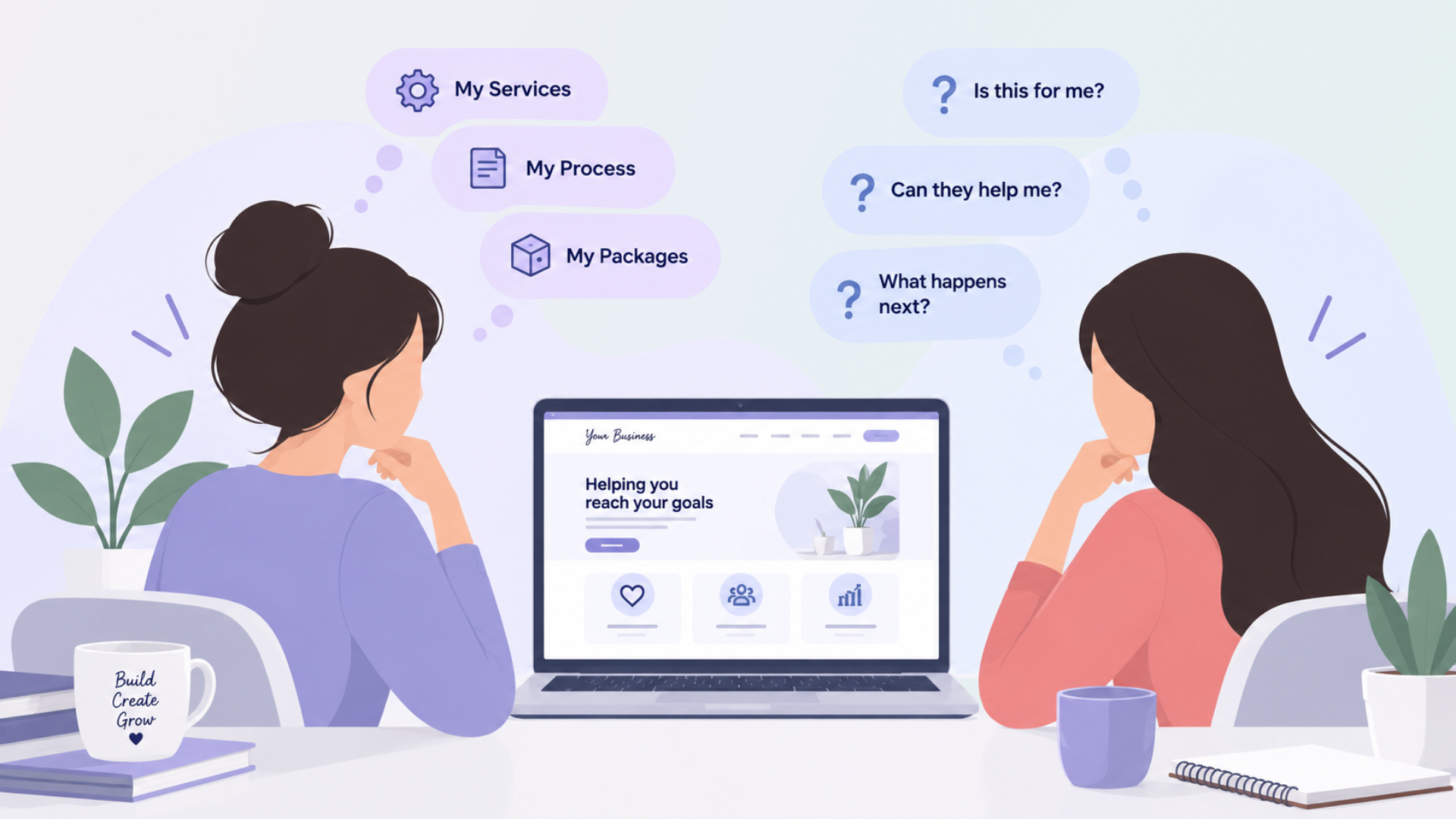
Looking at things from the customer's perspective also doesn't mean asking yourself, "What would I want if I were the customer?" You are not always your target audience, and there's a very high chance you'll answer based on what you think your customers want, instead of what they actually want.
Your customers may have different questions, budgets, needs and reasons for buying. So while putting yourself in their shoes is a good place to start, you also need to listen to what your actual customers are telling you and do the necessary customer research to understand them better.
Why It's Hard to See Your Own Business Like a Customer
The longer you work on your business, the more familiar you become with everything. You know your services, what certain terms mean, how your pricing works and what happens after someone books a call. A new customer doesn't know any of that unless you tell them.
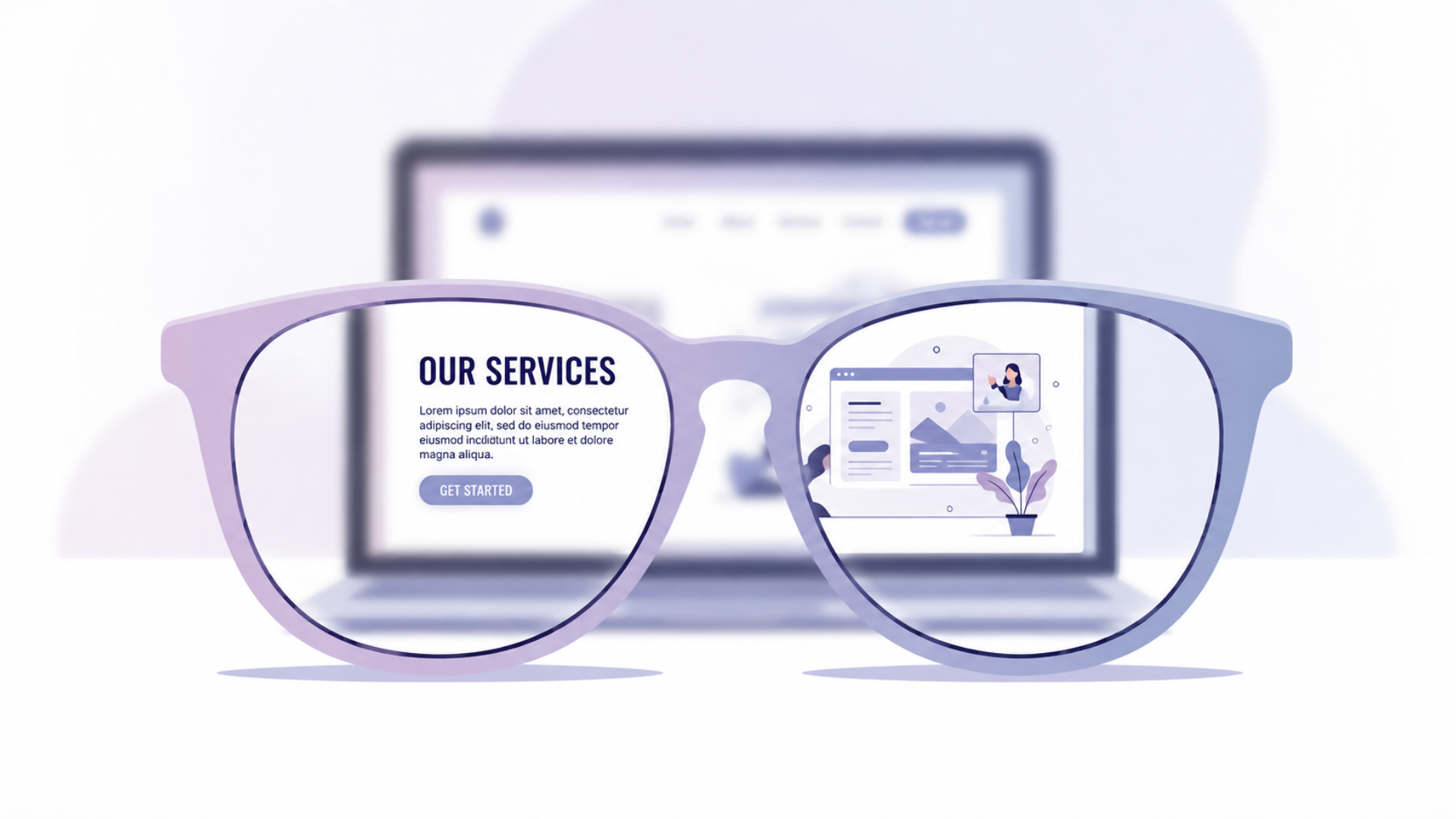
You Know Your Business Too Well
Think about a term you use all the time in your business. Maybe it's "discovery call." You know what that means, but does your customer? They might be wondering whether it's free, how long the call is, what you'll talk about or whether they need to prepare anything.
The same can happen with your services, packages and pricing. You know what's included because you created them. Your customer only knows what you've explained. Something that makes sense to you may not make sense to someone seeing it for the first time.
What a First-Time Customer Doesn't Know
Think about someone finding your business for the first time. They may not know how your process works, what happens after they enquire, which service they need or what some of the words on your website mean. They also don't know why they should choose you over another business.
If something important isn't explained clearly, you can't expect them to figure it out themselves. If you lose them within the first few seconds, you'll likely see a higher drop-off rate because people will leave and look somewhere else.
You Are Not Always Your Customer
Even if you understand your product or service really well, remember that you are not always your customer. The things you care about when creating or selling something may not be the same things your customers care about when deciding whether to buy it.
For example, let's say you sell handmade skincare products. You might be really proud that your products use a particular ingredient or go through a special production process, so you make that the main focus of your marketing. But after talking to your customers, you realize that what they actually care about most is whether the product is suitable for sensitive skin.
It doesn't mean the ingredient or production process isn't important. It just means what you think is important may not be the main reason your customers choose to buy. In this case, you could lead with how the product is suitable for sensitive skin first, then explain how that particular ingredient helps and why you chose to use it.
That's why understanding your target audience isn't just about thinking about what you would want. Pay attention to what your customers actually care about, the questions they ask and how they describe their problems, then use that to decide what to focus on in your marketing.
The Questions You Ask vs. the Questions Your Customers Ask
As a business owner, you're thinking about your business. Your customer is thinking about what they need. So you can both look at the same thing and have very different questions.
What You Might Be Thinking | What Your Customer Might Be Thinking |
What services should I promote? | Can this help me with my problem? |
Does my website look professional? | Am I in the right place? |
How do I get more people to book a call? | Why should I trust this person? |
How do I sell this package? | Is this worth paying for? |
What should I tell people about my business? | How can this help me? |
You're looking at the same business from two different sides. If you want your website and marketing to make sense to your customers, you need to answer the questions they're asking too.
Look at Different Parts of Your Business From Your Customer's Point of View
You can look at almost every part of your business from your customer's point of view. Here are five places to start.
Your Offer
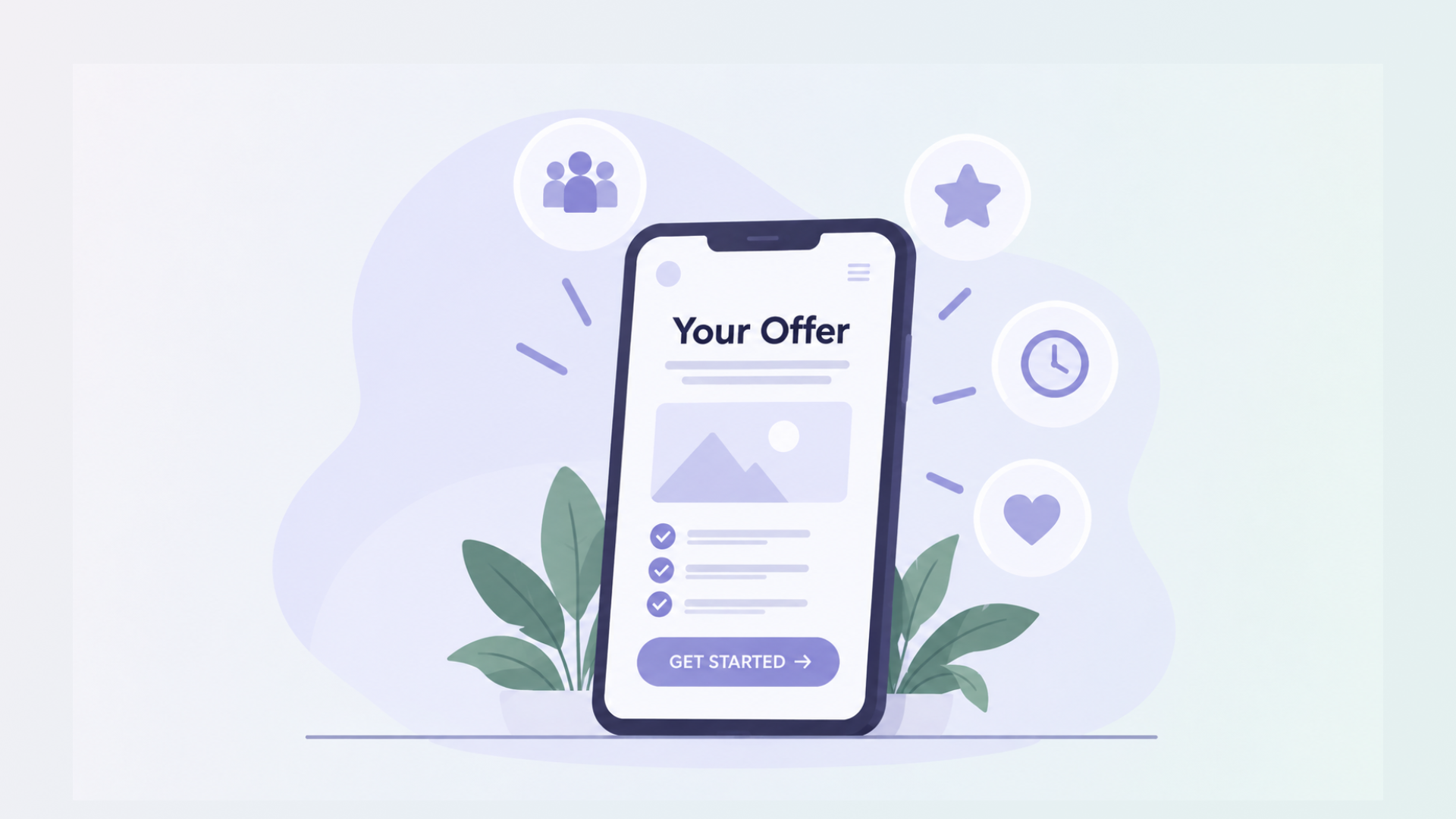
When creating an offer, you already know what your service does and how it helps. Your customer may not. In fact, your offer may be exactly what your customer is looking for, but they may not know it based on how you've explained it.
For example, let's say you're running an agency offering CRO (conversion rate optimization) services. You offer things like A/B testing, user behaviour analysis and funnel optimization.
A business owner may have no idea what CRO even is. All they know is, “I'm getting plenty of people to my website, but hardly anyone is enquiring, signing up or buying. I need someone to help me figure out what's wrong.”
What you're offering could be exactly what they need, but they may not know that from the way you've explained your offer. If all they see is “CRO” and a list of services they don't really understand, they may not realize that you can help with the exact problem they're having.
They need the service. They just don't know that what you're offering is what they need.
When looking at your offer from the customer's point of view, don't just explain your service in the way you understand it. Think about how your customers describe the problem they're having. If they can't relate what you're saying to their own problem, they may not even realize your offer is for them.
Your Website
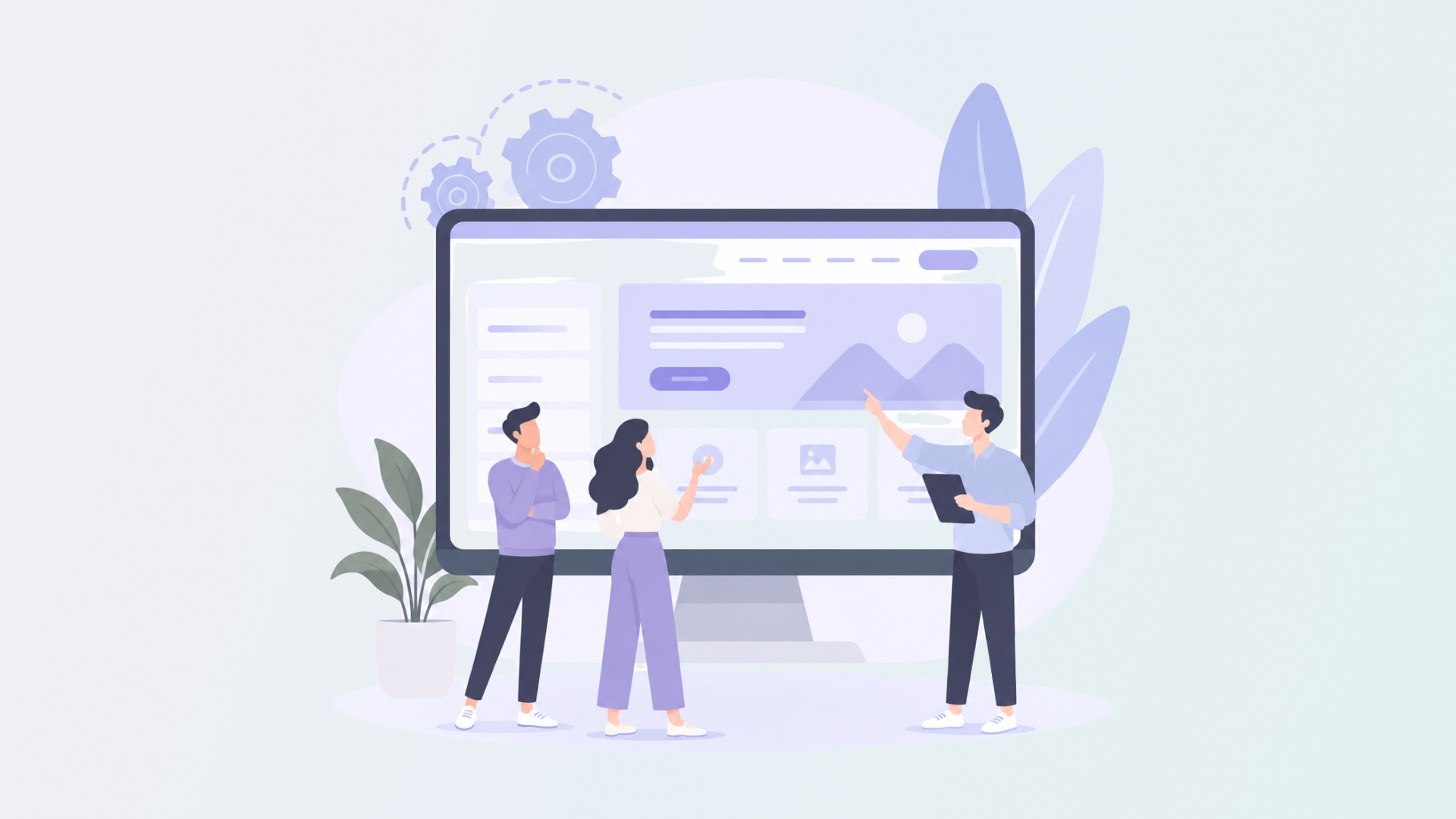
Imagine visiting your website without knowing anything about your business. Can they tell what you do, who it's for and what you're offering? Can they find the information they need? Do they know what to do next?
A website can look good and still be confusing. If someone lands on your website and can't quickly understand what you do or find what they're looking for, you could lose them before they even get to know more about your business. Your website needs to make sense to someone who knows nothing about your business yet.
Your Marketing Message
It's common to want to tell customers about your experience, qualifications, services and everything else that makes your business different. But your customer will still be asking, "Can you help me?"
Before deciding what you want to say about your business, think about what your customer wants to know. What are they looking for? What problem do they have? What questions are they asking? What would they need to know before deciding whether your business is right for them?
Your marketing message should help answer those questions.
Your Content
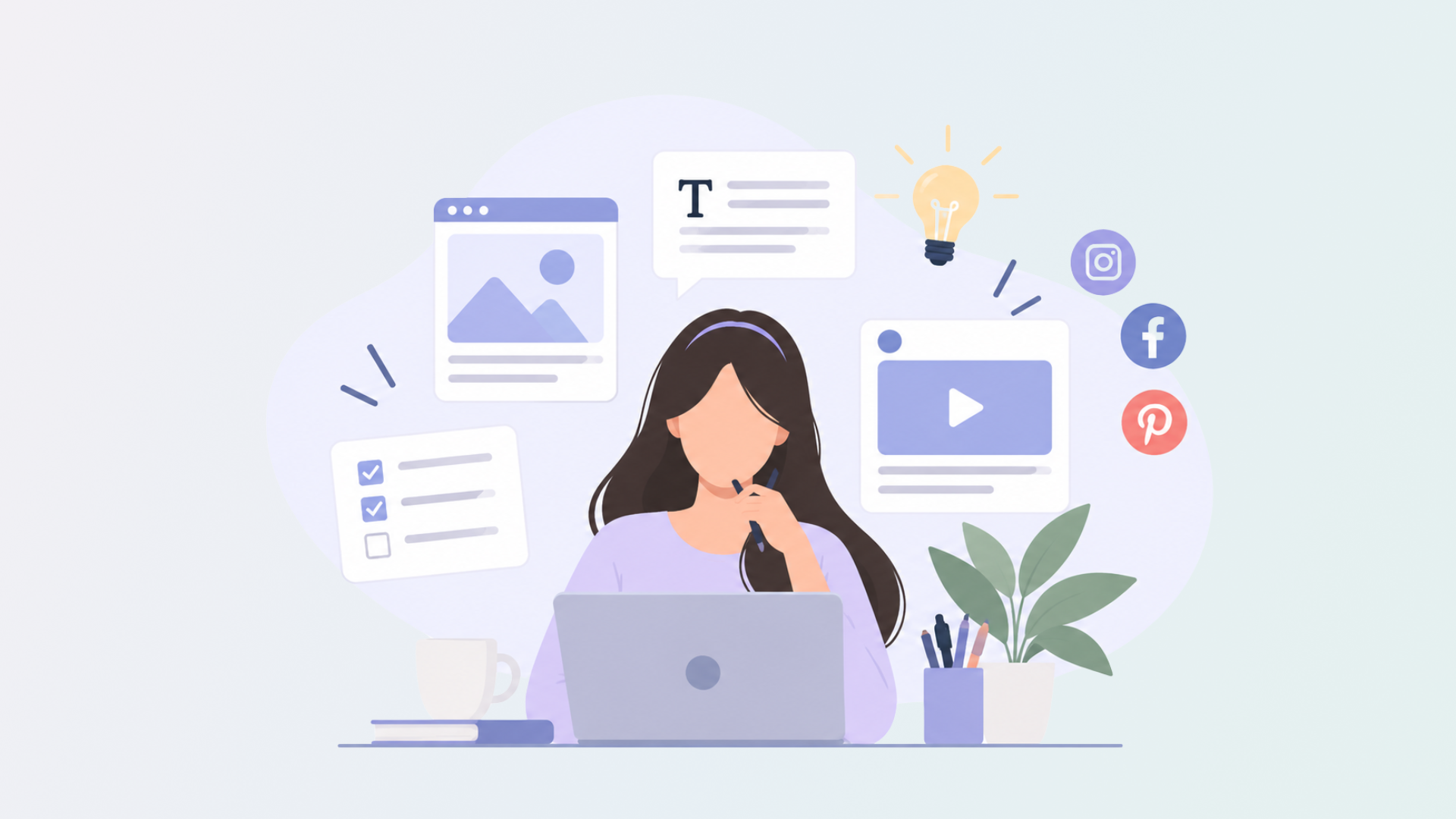
When you create content for your business, you've probably asked yourself, "What should I post?" Maybe try asking, "What are my customers already asking me?" instead.
Look at your enquiries, WhatsApp messages, emails, sales calls, comments or conversations with your potential customers. Maybe people keep asking about your pricing. Maybe they don't understand the difference between two services. Maybe they want to know how long something takes.
Those questions can become your content. Instead of assuming what your target audience wants to know, use what they're actually asking and talking about to decide what content to create.
What Happens Next?
You know what happens after someone clicks "Book a Call" or sends an enquiry, but your customer may not. They might be wondering whether the call is free, how long it takes, what happens after they fill in the form or when they'll hear from you.
Try going through the process from your customer's point of view. Think about what they would do when they're ready to enquire or buy from you, and follow the process from there. For example, they click "Book a Call", fill in a form and then what happens next? Do they know what to expect after that?
Make sure they know what happens next and what they need to do. The better you understand your customers and the questions they may have, the more you can give them the information they need at the right time.
How to Understand What Your Customers Actually Think
Looking at your business from the customer's point of view doesn't mean assuming what they're thinking. You can find out by doing your customer research.
Talk to Your Customers

One of the easiest ways to understand your customers is to ask them. You could ask what made them start looking for your service, why they decided to work with you, what they were unsure about before buying, what other options they considered or which competitors they looked at.
It doesn't have to be a formal interview. Just a normal conversation with a customer can tell you a lot about what they were thinking before they decided to buy.
Pay Attention to the Questions They Usually Ask

Look at your enquiries, WhatsApp conversations, emails, sales calls, comments and support questions. Do you see the same questions coming up again and again?
For example, if people regularly ask what's included in one of your packages, maybe it isn't explained clearly enough on your website. Instead of answering the same question every time, see if there's somewhere you can explain it better.
Read Reviews and Testimonials
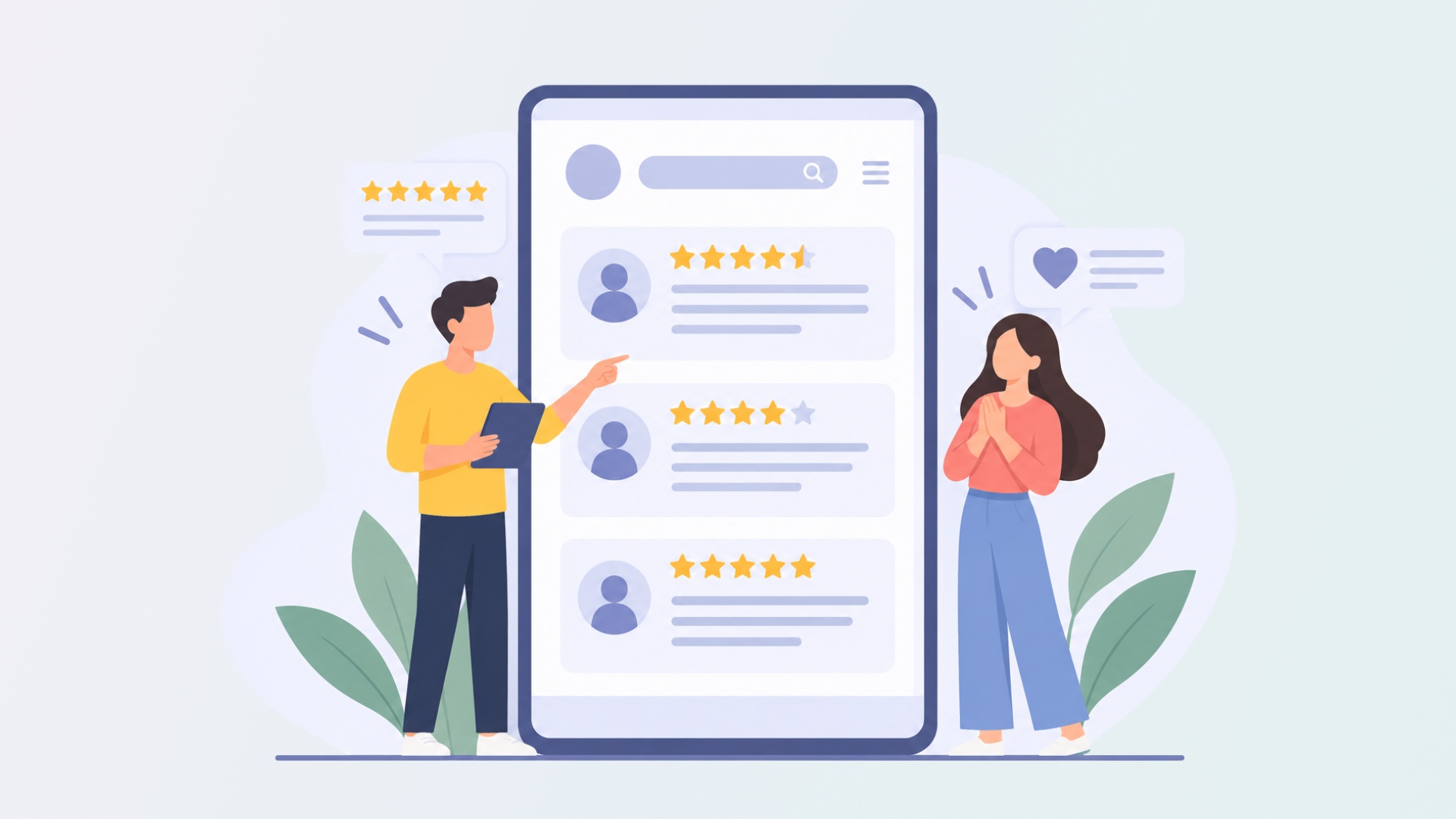
Reviews and testimonials can also tell you what your customers care about. Maybe you thought customers chose you because of your experience, but your reviews keep mentioning how quickly you respond. Or maybe you thought they cared most about the final result, but they keep mentioning how easy it was to work with you.
You can also read reviews of similar businesses and your competitors. Look at what people like, what they complain about and what they wish they had known before buying. This can help you understand customer needs and what people are looking for.
Look at What Customers Actually Do
You can also look at what people do on your website. Which pages are they visiting? Are they leaving a form without completing it? Are they asking for information that's already somewhere on your website?
What your customers do can tell you a lot about where they may be having problems. If several customers are asking you the same question, for example, that's already a sign that you may need to explain something more clearly.
As Your Business Changes, So Do Your Customers
Looking at your business from your customer's point of view isn't something you do once and then forget about. Your business changes, your offers change and your customers may change too. What they want, need or care about can change over time too.
That's why it's good to keep paying attention to what your customers are telling you. See what they keep asking about, what they want to know before they buy and whether there's anything they don't quite understand.
You don't need to do a big customer research project every time. Keep talking to your customers, listening to what they say and paying attention to what they need. The more you understand your customers, the less you have to rely on what you think they want.
Frequently Asked Questions
What Is a Customer Point of View?
A customer point of view means looking at your business based on what your customer sees, understands and needs to know, rather than what you already know as the business owner.
Why Is It Important to Look at Your Business From the Customer's Point of View?
Looking at your business from the customer's point of view can help you see things that may not be clear to someone seeing your business for the first time. For example, they may not understand one of your services, know what happens after they enquire or be able to find the information they need.
How Can I See My Website From a Customer's Point of View?
Start with your customer research and what you've learned from your actual customers. Look at the questions they usually ask, what they don't understand and what information they need before deciding whether to enquire or buy.
You can also ask someone who doesn't know your business well to look at your website and tell you what they understand from it.
How Can I Understand What My Customers Actually Want?
Talk to your customers and pay attention to the questions they ask in enquiries, WhatsApp conversations, emails, sales calls, comments and reviews. If the same questions or concerns keep coming up, they can tell you a lot about what your customers need, care about and want to know.


